

Project Description
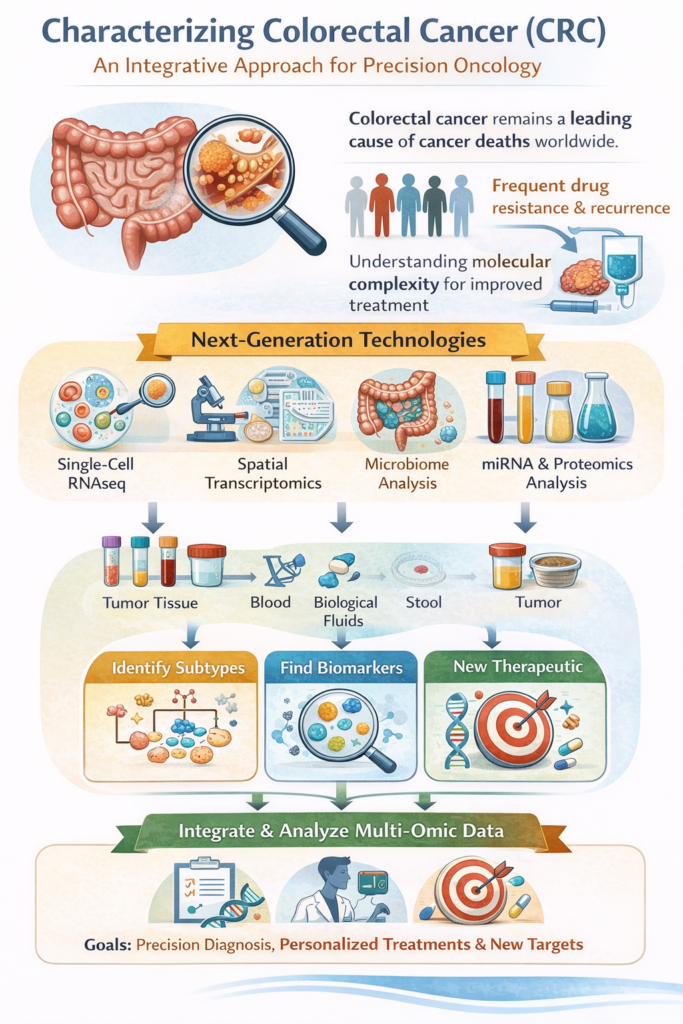
CROME Colorectal cancer Research via Omics integration: Microbiome, miRNA, and Expression profiling
This project proposes a multidimensional and integrative approach for the comprehensive molecular characterization of Colorectal cancer (CRC) through the combined use of next-generation technologies. These include single-cell RNA sequencing (scRNA-seq), spatial transcriptomics, gut microbiome profiling, microRNA (miRNA) analysis, and proteomic profiling of biological fluids. The overarching goal is to generate a high-resolution molecular atlas of CRC capable of identifying distinct cellular subtypes, robust diagnostic biomarkers, and novel therapeutic targets with potential clinical applicability.
The project is structured around five main actions: (i) the establishment of a well-clinically characterized patient cohort with matched primary tumor, circulating, and biological fluid samples; (ii) the identification of tumor and microenvironmental cellular subpopulations and their molecular dynamics; (iii) the detection of miRNAs associated with disease diagnosis and therapeutic response in tissue and liquid biopsies; (iv) the characterization of tumor-associated and fecal microbiome alterations and their integration with transcriptomic and clinical data; and (v) the identification of circulating protein biomarkers for non-invasive disease monitoring.
By integrating multi-omic datasets through advanced bioinformatic analyses, this project aims to define novel predictive models and personalized molecular classifications of CRC. The expected outcomes will directly support the development of highly accurate non-invasive diagnostic strategies, improve patient stratification and personalized treatments, and facilitate the identification of new therapeutic targets.
Funding sources:
Fondo di Beneficenza, Intesa Sanpaolo S.p.A. (Milano, IT) – GRANT_NUMBER: B/2025/0352
Research Team:
The project is leaded by Andrea Angius and the team members work at the Institute of Genetic and Biomedical Research (IRGB) and at the Department of Medical, Surgical and Experimental Sciences at the University of Sassari.